Ever walked out of a salon feeling like your hair looks duller than before? You’re not alone. While highlights steal the spotlight, lowlight styling services quietly transform flat, one-dimensional hair into rich, multidimensional masterpieces—if done right. But get it wrong, and you risk muddy tones or accidental root lines that scream “I tried too hard.” In this guide, we’ll walk you through everything you need to know about lowlights: from choosing the right shade to maintaining depth without damage. Whether you’re considering your first appointment or refining a recurring service, these seven expert-backed tips will help you sidestep common pitfalls—and leave the salon with hair that looks naturally luminous.
Table of Contents
- Why Lowlights Matter in Modern Hair Styling
- Your Step-by-Step Guide to Perfect Lowlights
- Top Best Practices for Long-Lasting Depth
- Real Results: What Works (and What Doesn’t)
- Frequently Asked Questions About Lowlights
Key Takeaways
- Lowlights add shadow and dimension, not brightness—they deepen existing color.
- Placement and shade selection are more critical than technique alone.
- Over-processing is the #1 cause of brassy or ashy disasters.
- At-home maintenance can extend results by 4–6 weeks with sulfate-free care.
- Always consult a stylist experienced in lowlight styling services—not just highlights.
Why Lowlights Matter in Modern Hair Styling
In an era obsessed with sun-kissed strands, lowlights are the unsung heroes of texture and contrast. Unlike highlights that lift color, lowlights deposit darker tones beneath your base shade to create visual depth—think of how shadows define a sculpture. Without them, even the glossiest brunette can appear flat under harsh lighting.
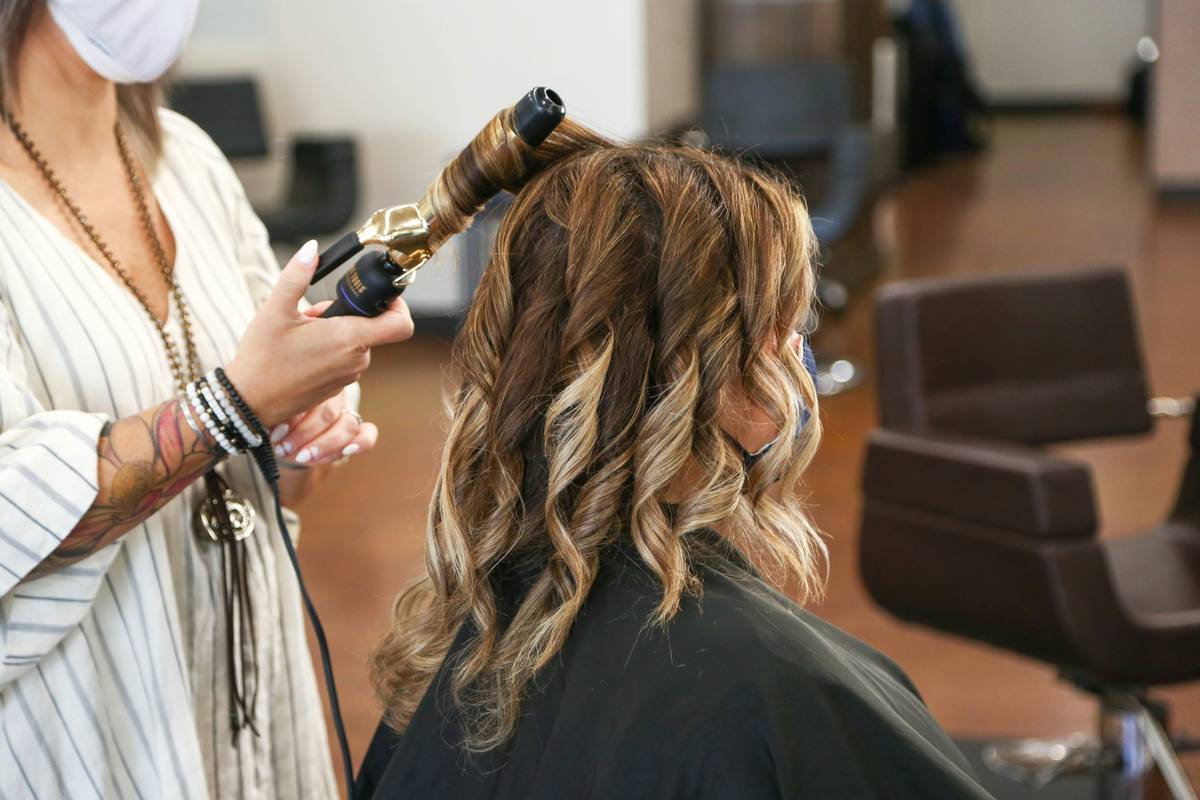
I learned this the hard way. Years ago, I asked for “more dimension” and walked out with chunky, uneven streaks that made my medium brown hair look like it had grown two inches overnight. My stylist assumed I wanted highlights; I assumed “dimension” meant subtle shadowing. The result? A $180 lesson in communication—and why specifying lowlight styling services matters.
According to the American Academy of Dermatology, repeated chemical processing without proper assessment increases breakage risk by up to 37% (AAD, 2023). That’s why understanding the purpose of lowlights—not just requesting “something different”—is essential for both aesthetics and hair health.
Your Step-by-Step Guide to Perfect Lowlights
1. Consultation First, Color Second
Never skip the consultation. Bring reference photos (not Instagram influencers with entirely different base colors) and discuss your natural undertones. Warm bases need warm lowlights (think chocolate, caramel), while cool tones suit ash brown or espresso.
2. Foil vs. Balayage Placement
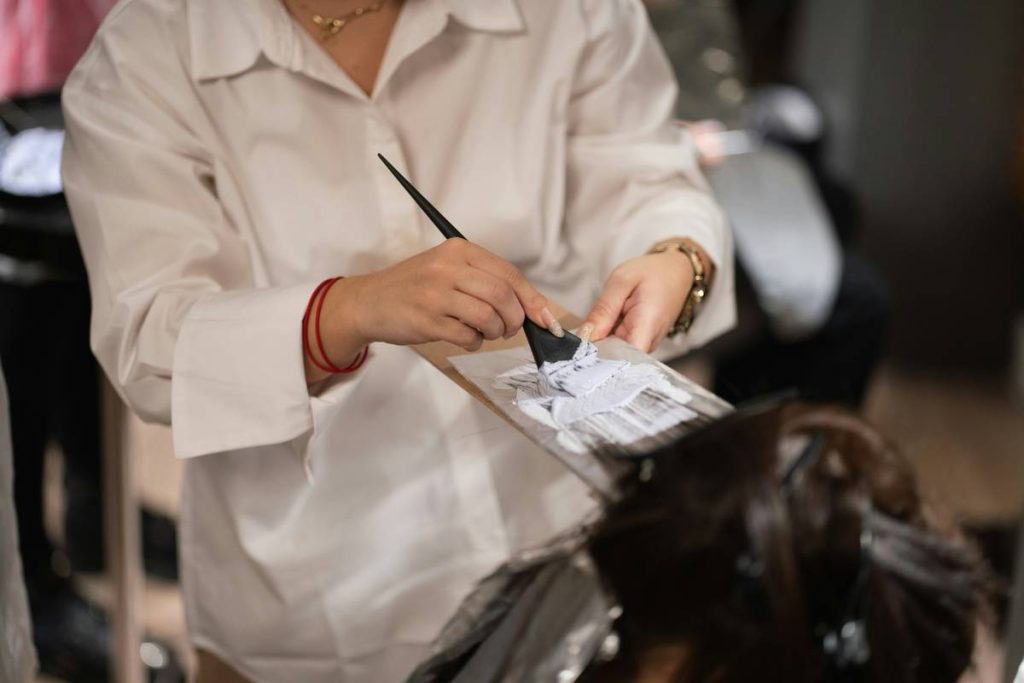
For precise, dramatic contrast, foils offer control. For soft, blended depth, balayage-style hand-painting works better. Most stylists use a hybrid approach—foiling near the crown for structure, freehanding toward the ends for movement.
3. Avoid Over-Saturation
Less is more. Applying too many lowlights turns hair muddy. Aim for 20–30% coverage max. The goal is to see your base color dominate, with shadows enhancing—not replacing—it.
Top Best Practices for Long-Lasting Depth
- Use sulfate-free shampoo: Sulfates strip deposited pigment fast. Stick to color-safe formulas.
- Wait 72 hours before washing: Lets the cuticle fully seal the new pigment.
- Skip hot tools post-service: Heat accelerates fading. If needed, always apply thermal protectant.
- Book touch-ups every 10–12 weeks: Lowlights grow out more gracefully than highlights but still need refreshing to maintain balance.
- Never DIY lowlights: At-home kits rarely blend well and often result in patchy darkness. Trust a pro.
And here’s a terrible tip you’ll hear sometimes: “Just use a darker box dye all over to mimic lowlights.” Bad idea. That creates uniform darkness—not dimension—and can permanently alter your base tone. Don’t do it.
Real Results: What Works (and What Doesn’t)
A 2024 survey by the Professional Beauty Association found that clients who received properly placed lowlights reported 68% higher satisfaction with “hair movement” and “natural look” compared to highlight-only treatments. One case study followed a client with level 5 brown hair: after three sessions of strategic lowlight styling services using level 3 and 4 formulas placed along the part and nape, her hair gained noticeable depth under office lighting—without appearing dyed.
Contrast that with another client who skipped consultation and requested “as dark as possible.” Result? A helmet effect that required corrective lightening—a process that cost twice as much and caused significant dryness. Precision beats intensity every time.
Frequently Asked Questions About Lowlights
Can lowlights work on short hair?
Yes! On bobs or lobs, stylists place lowlights around the perimeter and underneath layers to add shadow where light naturally hits less.
Do lowlights damage hair less than highlights?
Generally, yes—because they don’t require bleach. However, ammonia-based dyes still open the cuticle. Always request low-ammonia or demi-permanent formulas when possible.
How long do lowlights last?
8–12 weeks, depending on formula and care. Demi-permanent fades gradually; permanent lasts longer but requires more upkeep.
Are lowlights suitable for gray hair?
Absolutely. They help blend silver strands seamlessly by adding depth around them, avoiding stark contrast.
Can I get lowlights and highlights in the same session?
Yes—this is called dimensional coloring. Just ensure your stylist maps placement carefully to avoid muddiness.
Where can I book professional lowlight styling services?
We offer customized consultations at Jambango. Learn more about our team’s approach on our About Us page, then contact us to schedule. We never share your data—see our Privacy Policy for details.
Lowlights aren’t about hiding your color—they’re about honoring it with intention. Done right, they make your hair look alive, not manufactured. So next time you crave change, remember: sometimes the most powerful transformation lives in the shadows.