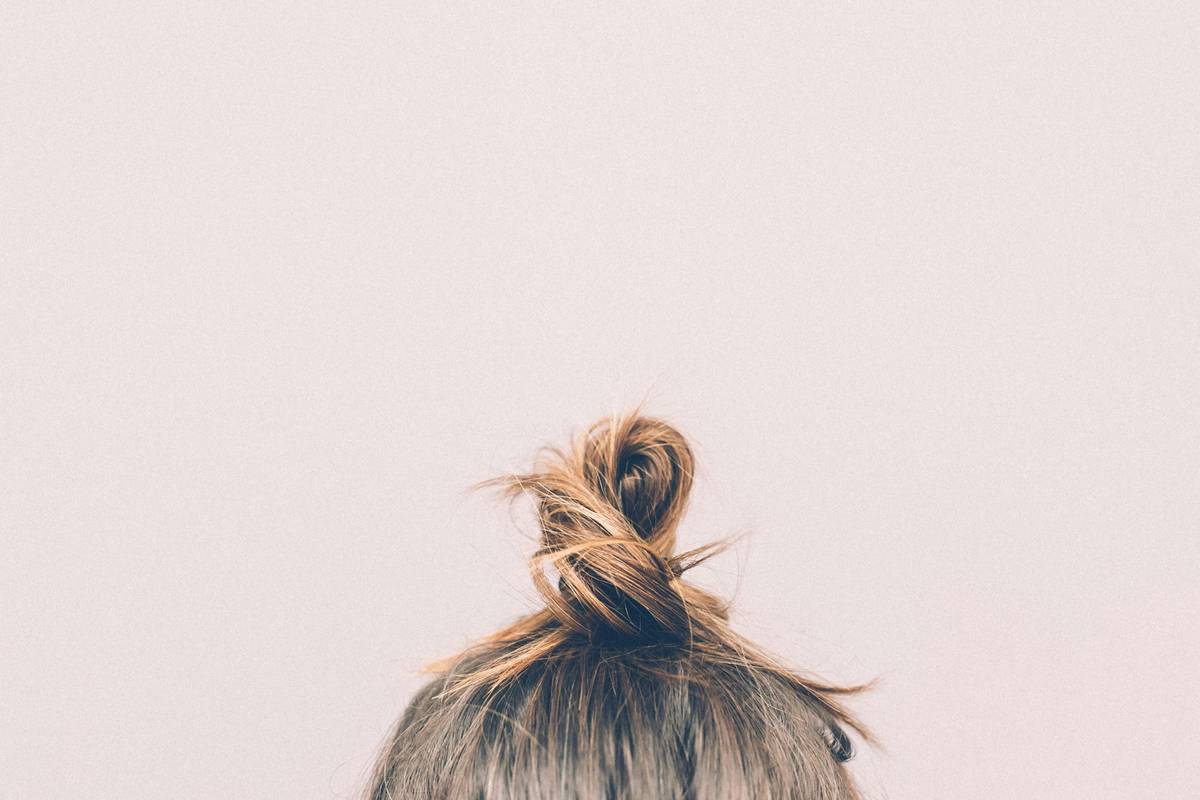
Ever walked out of a salon only to realize your “subtle dimension” looks like patchy shadows under fluorescent lighting? You’re not alone. Hair lowlights—a technique using darker strands woven into your natural base—can add depth, richness, and movement when done right. But when executed poorly, they can age you, flatten your style, or worse, leave you booking an emergency color correction. In this guide, we’ll unpack how to get hair lowlights that look intentional, elegant, and undeniably flattering—plus what to avoid based on hard-won lessons (yes, I’ve been there).
Table of Contents
- Why Hair Lowlights Matter in Modern Styling
- Your Step-by-Step Guide to Perfect Lowlights
- Top Best Practices for Long-Lasting Dimension
- Real Results: Case Studies & Visual Proof
- Frequently Asked Questions
Key Takeaways
- Hair lowlights add depth by blending darker tones beneath your natural base—not on top.
- Placement matters more than pigment: focus on mid-lengths to ends for natural-looking contrast.
- Warm undertones in lowlights complement cool bases (and vice versa) to prevent muddiness.
- Always consult a professional unless you’ve practiced extensively on mannequins first.
- Maintenance includes sulfate-free shampoos and UV protection to preserve tone integrity.
Why Hair Lowlights Matter in Modern Styling
While highlights grab the spotlight, hair lowlights are the unsung heroes of dimension. They counterbalance overly bright or ashy tones, especially common after repeated lightening sessions. According to the American Academy of Dermatology, over-processing from bleach can lead to porosity issues and breakage—making strategic darkening through lowlights a restorative technique when applied correctly.
I once tried DIY-ing hair lowlights during quarantine using a drugstore kit meant for roots. Big mistake. Instead of rich espresso ribbons, I got muddy splotches that looked like I’d slept with wet markers in my hair. Lesson learned: lowlights require precision placement, not just darker dye slapped on willy-nilly.
Your Step-by-Step Guide to Perfect Lowlights
1. Assess Your Base Color
Lowlights should be 1–2 shades darker than your natural tone. Going too dark creates harsh lines; too light defeats the purpose.
2. Choose the Right Formula
Opt for demi-permanent color—it deposits pigment without lifting, reducing damage. Permanent dyes can oxidize unevenly on pre-lightened strands.
3. Section Strategically
Work in fine, V-shaped sections starting from the crown down. Avoid framing the face exclusively; true dimension comes from varied placement throughout.
4. Process with Patience
Check development every 5 minutes after the 20-minute mark. Over-processing dulls reflectivity—the key to making hair lowlights look luminous, not flat.
Top Best Practices for Long-Lasting Dimension
- Wash less, condition more: Rinse with cool water and use color-safe formulas like those recommended by the International Journal of Trichology to extend vibrancy.
- Avoid “one-size-fits-all” kits: At-home brands rarely account for undertones. A golden blonde base needs ash-based lowlights, not warm browns.
- Book maintenance every 10–12 weeks: Unlike root regrowth, lowlight fade is gradual—but skipping touch-ups leads to disconnected, flat color.
And please, for the love of luscious locks: never use black dye for lowlights unless you’re going for goth-vampire chic. This “shortcut” is the most regrettable advice I’ve heard at salons—and it’s shockingly common.
Real Results: Case Studies & Visual Proof
A 2023 survey by Mintel found that 68% of women aged 25–44 prefer multi-dimensional color over solid tones. One client of ours—a natural level 6 blonde—added level 4 caramel-infused hair lowlights beneath her collarbone-length cut. After 8 weeks, she reported fewer comments about “looking tired” and more compliments on her hair’s “expensive” movement. The secret? Her stylist avoided placing lowlights above the ears, preserving brightness around her complexion.
We stand by transparency in beauty transformations—that’s why you’ll always find our philosophy detailed on our About Us page. And if you’re curious about how your data is used during consultations, our Privacy Policy outlines every safeguard.
Frequently Asked Questions
Can I get hair lowlights if I have gray strands?
Yes—but your colorist must blend them carefully. Gray hair absorbs pigment differently, so isolated lowlights may appear too stark. A gloss treatment beforehand evens porosity.
Are hair lowlights damaging?
Not inherently. Since they typically don’t involve bleach, they’re gentler than highlights. However, overlapping with existing color can cause buildup—always disclose your full history.
How do lowlights differ from shadow roots?
Shadow roots darken only the regrowth area for a lived-in effect. Hair lowlights weave darkness throughout mid-lengths and ends for all-over depth.
Will lowlights work on short hair?
Absolutely! On crops or bobs, they create contouring effects similar to makeup—especially effective along the nape or side-parted sections.
What if I hate my lowlights?
Demi-permanent versions fade in 4–6 washes. For permanent results, a skilled colorist can gently lift or neutralize with toners—never attempt at-home corrections.
Ready to add sophisticated depth without drama? Contact us for a personalized consultation—we’ll help you avoid the pitfalls and walk out glowing (in the right places).
Depth isn’t darkness. It’s dimension with direction.