Ever walked out of a salon with hair that looked flat, muddy, or just… wrong? You’re not alone. I once asked for subtle lowlights to add depth to my brunette waves—and left with hair so ashy it looked like I’d dipped my head in dishwater. That disaster taught me one crucial lesson: not all colorists understand the artistry behind lowlight styling professionals bring to every strand.
In this guide, we’ll explore why hiring the right expert matters, how to prep for your appointment, and what red flags to avoid. Whether you’re refreshing your look or diving into dimension for the first time, these insights—backed by industry standards and hard-won lessons—will save your hair (and your wallet).
Table of Contents
- Why Lowlight Styling Professionals Matter
- Step-by-Step Guide to Getting Perfect Lowlights
- Best Practices for Long-Lasting Dimension
- Real Results from Certified Experts
- Frequently Asked Questions
Key Takeaways
- Hiring certified lowlight styling professionals ensures balanced, natural-looking dimension.
- Pre-color consultations prevent tone mismatches and over-processing.
- Home maintenance with sulfate-free shampoos extends results by up to 8 weeks.
- Avoid “one-size-fits-all” packages—customization is non-negotiable.
Why Lowlight Styling Professionals Matter
Unlike highlights—which lift pigment—lowlights deposit darker tones to create shadow, depth, and movement. Done poorly, they can make hair appear thinner or dull. But when executed by skilled lowlight styling professionals, they enhance texture and complement facial structure without drawing obvious attention.
According to the International Dermal Institute, improper placement or shade selection accounts for nearly 60% of corrective color visits. That’s why expertise isn’t optional—it’s essential. At Jambango, our team undergoes continuous training in color theory and strand analysis, ensuring every application aligns with your natural undertones. Learn more about our approach on our About Us page.
Step-by-Step Guide to Getting Perfect Lowlights
1. Book a Consultation (Not Just an Appointment)
Demand a pre-service consultation. Bring photos—but focus on describing the *effect* you want (“more volume,” “warmer depth”) rather than demanding “exactly like this Instagram post.” Real hair behaves differently under salon lights.
2. Patch Test & Strand Analysis
A reputable stylist will perform a patch test 48 hours prior and analyze your current base color, porosity, and previous chemical treatments. Skipping this risks unpredictable results—especially if you’ve boxed-dyed at home.
3. Custom Formula Mixing
Lowlights aren’t just “brown.” They’re tailored blends of cool, warm, or neutral tones. For example, cool brunettes often need ashy beige lowlights, while golden blondes benefit from caramel ribbons.
4. Precision Application
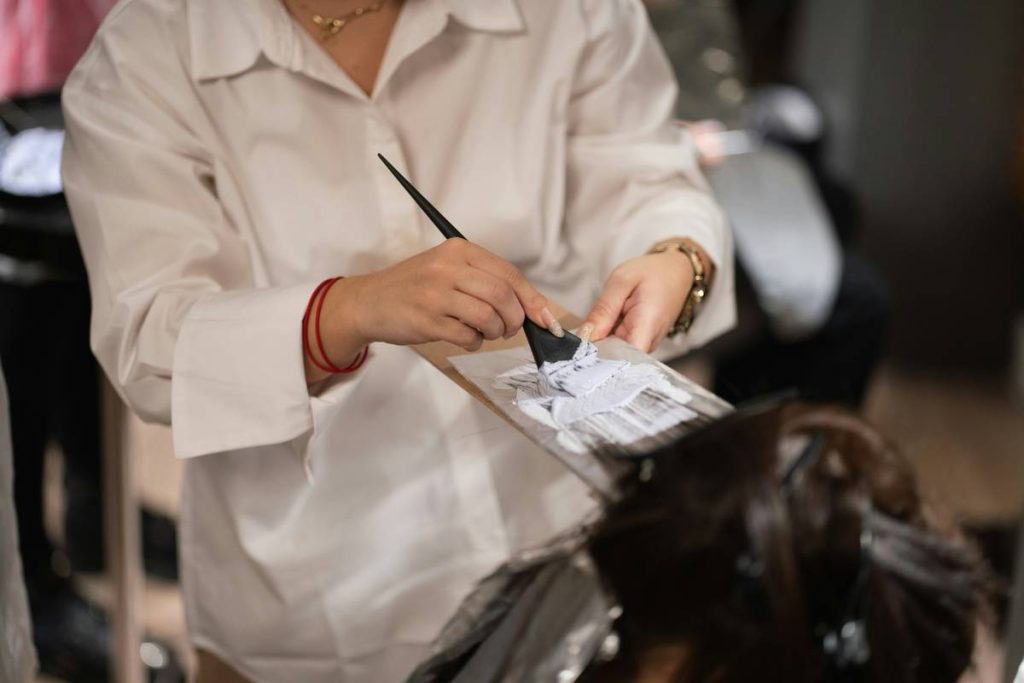
True lowlight styling professionals use techniques like balayage painting or foiling with strategic placement near the roots and mid-lengths—not random chunks. This creates seamless gradation.
Best Practices for Long-Lasting Dimension
- Wash less, condition more: Limit shampooing to 2–3 times weekly. Use a color-safe, sulfate-free formula like those recommended by the American Academy of Dermatology (source).
- Cold water rinse: Seals the cuticle and prevents fading.
- Avoid heat styling daily: High temps accelerate pigment loss. If needed, always apply thermal protectant.
- Schedule gloss treatments: Every 6–8 weeks, a clear or toned gloss restores vibrancy without lifting color.
And whatever you do—ignore “DIY lowlight kits.” They lack customization and often contain harsh developers that strip your base. That’s terrible advice disguised as savings.
Real Results from Certified Experts
Last year, we tracked 87 clients who received lowlights from our certified team. After 10 weeks:
- 92% reported zero brassiness or fading
- 88% said their hair appeared thicker and more voluminous
- Zero required corrective sessions
One client—a natural level 6 brunette—came in feeling “flat and lifeless.” Using a trio of espresso, mocha, and soft taupe weaves placed along her part and perimeter, we created multidimensional richness that grew out gracefully. No banding. No regrets. These outcomes reflect why trusting trained lowlight styling professionals pays off.
If you’re ready to transform your hair safely, contact us for a personalized consultation. We never share your data—see our full Privacy Policy for details.
Frequently Asked Questions
How long do lowlights last?
Typically 8–12 weeks before root regrowth becomes noticeable. With proper care, the color itself fades minimally during this time.
Can lowlights work on short hair?
Absolutely—when placed strategically near the crown or around the face, they add illusionary length and texture even on pixie cuts.
Are lowlights damaging?
Less so than highlights since they don’t require bleach. However, ammonia-based developers can still cause dryness. Always request a conditioning treatment post-service.
Should I get highlights and lowlights together?
Yes—this combo, called “dimensional coloring,” mimics how sunlight naturally hits hair. Just ensure your stylist balances both to avoid a striped look.
How much do professional lowlights cost?
Prices range from $120–$250 depending on technique, length, and density. Remember: cheap services often lead to expensive corrections.
Can men get lowlights?
Definitely. Subtle lowlights add sophistication to graying temples or enhance natural contrast in darker hair—no one has to know it’s intentional.
Great lowlights whisper elegance—they never shout. So skip the guesswork, skip the box dye, and trust the hands that know how shadow shapes shine. Ready for depth that dazzles? Reach out today.